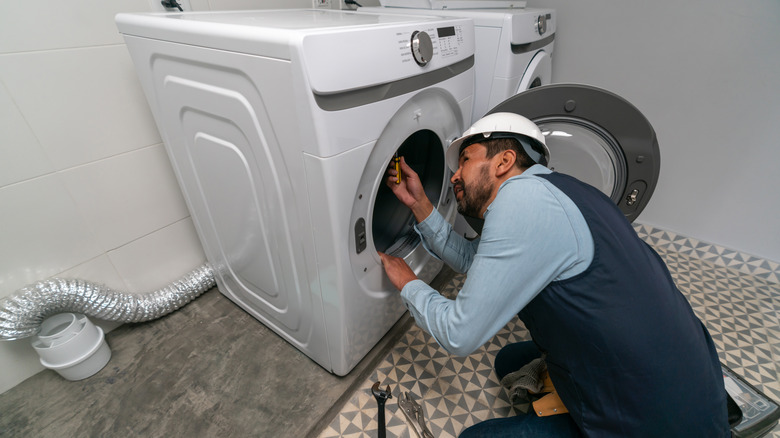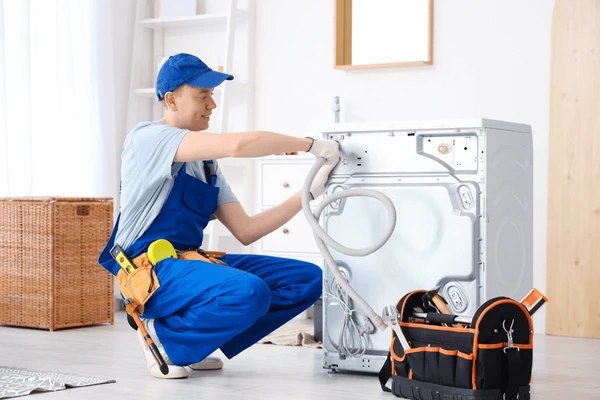
Washer & Dryer Repair in Allston, MA
Appliance Repair for Homes & Businesses in Allston, Massachusetts and Nearby Areas
Washer and Dryer Repair in Allston, Massachusetts | Appliance Repair Pros
Laundry is a never-ending chore, and when your washer or dryer breaks down, the pile of dirty clothes grows rapidly. At Appliance Repair Pros, we provide expert washer and dryer repair in Allston, Massachusetts. We help homeowners, renters, and landlords resolve issues ranging from washing machines that won’t spin to dryers that tumble without heat. We serve the entire Allston area and nearby neighborhoods including Brighton, Brookline, and Cambridgeport.
Navigating the laundry setups in Allston requires local experience. Whether your units are stacked in a tight closet in a Packard’s Corner condo or located in the basement of a classic triple-decker, we know how to access and service them efficiently. We understand that hauling laundry to a laundromat on Harvard Avenue is a major inconvenience. Our team focuses on accurate diagnostics to get your appliances running smoothly again. We treat your home with respect, protecting your floors and ensuring safety throughout the repair process.
Washer and Dryer Repair Services in Allston
We service all major types of laundry equipment found in local homes. From heavy-duty top loaders that handle family-sized loads to compact front loaders designed for city living, we have the tools and training to fix them. Our goal is to extend the life of your appliances and restore convenience to your weekly routine.
Laundry systems we work on:- Top loading washing machines (agitator and impeller)
- Front loading high-efficiency washers
- Gas and electric dryers
- Stacked washer-dryer laundry centers
- Compact and apartment-sized units
- All-in-one combo units
- Pedestal-mounted appliances
- High-speed spin balancing on older wood floors
- Complex suspension systems and shock absorbers
- Gas burner valve assemblies and ignition coils
- 240-volt electrical heating circuits
- Direct drive motors vs belt drive systems
- Digital control boards with moisture sensors
- Accessing components in tight laundry closets
Common Washer and Dryer Problems We Fix
Washer will not drain
Opening the lid to find your clothes floating in soapy water is a messy problem. It prevents the cycle from finishing and can lead to odors if not addressed quickly.
Likely causes:- Clogged drain pump filter (coins, socks, etc.)
- Failed drain pump motor
- Kinked or blocked drain hose
- Lid switch failure (machine pauses for safety)
- Control board logic error
We manually drain the unit to inspect the pump filter for debris. We test the pump motor for continuity and mechanical operation. We also check the drain hose connection to the standpipe to ensure there is no siphon issue. What you can do right now
Check the drain hose behind the machine to make sure it is not crushed against the wall. If you have a front loader, check the access door at the bottom front for a clean-out filter.
Dryer is not heating
A dryer that tumbles but does not heat leaves you with damp, musty clothes. This is a very common issue in both gas and electric models.
Likely causes:- Burnt out heating element (electric)
- Weak gas valve coils or igniter (gas)
- Blown thermal fuse
- Tripped circuit breaker (one leg of power lost)
- Clogged vent restricting airflow
On electric dryers, we test the element and thermostats for continuity. On gas dryers, we observe the ignition sequence to see if the igniter glows and if the gas valve opens. We always check the thermal fuse, which blows as a safety measure if the vent is clogged. What you can do right now
Check your breaker panel. Electric dryers use a double breaker; sometimes one side trips, allowing the drum to spin but cutting power to the heater.
Washer is shaking or vibrating violently
If your washer sounds like it is about to walk across the room during the spin cycle, it can damage your floors and the machine itself. This is especially concerning in Allston’s older multi-story homes.
Likely causes:- Unbalanced load
- Worn suspension rods or springs
- Degraded shock absorbers
- Leveling legs not set correctly
- Loose counterweight
We push down on the tub to test the rebound of the suspension system. We check the leveling feet to ensure the machine is solid on the floor. We also inspect the internal weights for security. What you can do right now
Make sure the machine is level. Try redistributing the wet clothes manually and running the spin cycle again.
Dryer takes too long to dry
If you have to run the dryer two or three times to dry a single load, your appliance is wasting energy and likely has an airflow problem.
Likely causes:- Clogged dryer vent duct
- Lint screen buildup
- Blower wheel obstruction
- Cycling thermostat failure
- Moisture sensor coated in dryer sheet residue
We measure the airflow exiting the dryer. If the air is hot but moving slowly, the issue is likely a vent restriction. We also test the moisture sensors to see if they are accurately detecting dampness. What you can do right now
Clean your lint trap before every single load. Check the flexible vent hose behind the dryer to ensure it is not crushed.
Washer is leaking water
Puddles around your washing machine can cause significant water damage to subfloors and ceilings below. Leaks can occur during the fill, wash, or drain cycles.
Likely causes:- Cracked or loose fill hoses
- Leaking drain pump
- Torn door boot seal (front loaders)
- Tub seal failure
- Oversudsing from using too much detergent
We remove the service panel and run the machine to visually identify the source of the drip. We inspect the rubber door gasket for punctures caused by zippers or sharp objects. What you can do right now
Turn off the water supply valves behind the washer when not in use. Check that your fill hoses are tight and not bulging.
Washer smells like mildew
A foul odor coming from your washer can transfer to your clean clothes. This “gym bag” smell is common in high-efficiency front loaders that seal tightly.
Likely causes:- Mold growth behind the door gasket
- Soap scum buildup in the outer tub
- Clogged drain filter retaining stagnant water
- Using too much detergent
We inspect the gasket folds for black mold. We check for standing water in the bottom of the machine which indicates a drainage issue. What you can do right now
Leave the washer door and detergent drawer open after every wash to let the interior dry out. Run a hot cycle with a specialized washer cleaner tablet or white vinegar.
Dryer makes loud noises
Squealing, thumping, or grinding noises are not normal. Ignoring them often leads to a belt snapping or a motor burning out.
Likely causes:- Worn drum rollers or axles
- Idler pulley failure
- Worn drum bearing or glides
- Object caught in the blower wheel
- Belt fraying
We listen to the type of sound to narrow down the location. A rhythmic thump usually means a flat spot on a roller. A high-pitched squeal often points to the idler pulley or belt tensioner. What you can do right now
Check the inside of the drum for loose change or buttons. If the noise is mechanical, stop using the dryer to prevent further damage.
Washer lid or door will not lock
Modern washers will not start if they cannot verify the door is locked. This safety feature can fail, leaving you with a machine that powers on but refuses to run.
Likely causes:- Broken lid strike
- Faulty door lock assembly
- Misaligned door hinge
- Control board failure
We test the resistance of the lock assembly mechanism. We also check the alignment of the door to ensure the striker enters the latch correctly. What you can do right now
Clean the latch area of any lint or detergent buildup. Ensure nothing is blocking the door from closing fully.
Safety Notes for Washer and Dryer Issues
Repairing laundry appliances involves handling electricity, water, and gas. This combination presents serious risks if not managed properly. In Allston’s older homes, electrical grounding and ventilation systems can vary, making safety even more critical.
- If you smell gas: Turn off the gas valve to the dryer immediately. Open windows to ventilate the area. Do not operate light switches. Evacuate and call your gas utility or emergency services.
- If you see water leaking near electrical outlets: Do not step in the water to unplug the machine. Turn off the power at the main breaker panel first. Water conducting electricity is a fatal hazard.
- If your dryer is hot to the touch: If the top of the dryer feels unusually hot, the vent is likely clogged. This is a major fire hazard. Stop using the machine until the vent is cleaned.
- If the washer spins out of control: A severely unbalanced load can cause the machine to thrash violently. Stop the cycle immediately to prevent the machine from tipping over or damaging plumbing connections.
Brands We Service for Washer and Dryer Repair in Allston
We service the diverse range of laundry brands found in Allston homes, from robust commercial-style units to modern smart appliances. We understand the unique mechanical and electronic designs of each manufacturer.
Whirlpool family (Whirlpool, Maytag, Amana, Roper)
These are the workhorses of the American laundry room. Older “direct drive” washers are legendary for their durability, while newer models feature advanced sensing technology. We carry common parts like lid switches, agitator dogs, and couplers for these units.
Common issues we see:- Lid lock failures flashing error lights
- Agitator not moving (stripped dogs)
- Dryer squeaking from worn rollers
- Drain pump obstructions
Samsung and LG
These brands dominate the front-load market with high-tech features and large capacities. They use direct-drive motors (no belt) which are quiet but rely heavily on electronics.
Common issues we see:- Drain pump failures (OE/5E errors)
- Unbalanced load errors (UE/Ub) due to suspension wear
- Door boot seal mold and leaks
- Heating element burnout in dryers
GE (General Electric) and Hotpoint
GE top loaders are very common in rental properties throughout Allston. They are generally reliable but have specific failure points in the drive system and electronic controls.
Common issues we see:- Loud spinning caused by tub bearing wear
- Shifter coil failure causing the machine not to agitate
- Dryer knob stripping causing the timer not to advance
- Safety lid switch breaking
Bosch, Miele, and Electrolux (Compact Units)
In many Allston condos and apartments, space is at a premium, leading to the use of compact, stackable European laundry units. These machines are engineered differently, often requiring specialized knowledge to access service panels.
Common issues we see:- Drain errors due to sensitive pump sensors
- Door latch failures
- Carbon brush wear in motors (older Miele/Bosch)
- Vibration issues in closet installations
Common Warning Signs and What They Usually Mean
Your laundry machines often give you warning signs before they fail completely. Paying attention to these signals can save you from a flooded basement or a fire hazard.
- Clothes are hot but damp: The dryer vent is likely restricted. The moisture cannot escape, so the clothes steam instead of dry.
- Washer makes a loud “bang” when water turns off: This is “water hammer.” It puts stress on your pipes and hoses. You may need water hammer arrestors installed.
- Black marks on clothes: Usually indicates that the rubber door seal is disintegrating or grease from a worn bearing is entering the tub.
- Timer does not advance: In a dryer, this often means the auto-dry sensor is not working, or the heating circuit is broken (timers often won’t advance if there is no heat).
- Burning smell: In a washer, this could be a slipping belt. In a dryer, it is lint buildup or a motor issue. Both require immediate attention.
Maintenance Tips for Laundry Appliances in Allston
Living in a city environment puts unique stress on appliances. Here is how to keep your laundry units running well.
Clean the Dryer Vent: This is the #1 safety tip. A clogged vent is a fire risk and kills your dryer’s efficiency. Disconnect the hose once a year and vacuum it out, or hire a professional vent cleaner.
Check Hoses: Rubber hoses degrade over time. If you see bubbles or cracks, replace them with stainless steel braided hoses. A burst hose can flood your apartment in minutes.
Don’t Overload: It is tempting to stuff a week’s worth of laundry into one load, especially for students. However, overloading strains the motor, suspension, and bearings. Clothes need room to tumble to get clean.
Use HE Detergent Correctly: High-Efficiency washers need very little soap (about 2 tablespoons). Using too much creates excess suds that confuse the sensors and lead to mold growth.
Leave the Door Ajar: After using a front loader, wipe the gasket and leave the door slightly open. This allows air to circulate and prevents mildew odors.
Empty Pockets: Coins, keys, and bobby pins are the enemies of drain pumps. Check pockets religiously before loading the washer.
Service Area for Washer and Dryer Repair in and Around Allston
Appliance Repair Pros is proud to serve the Allston community. We understand the logistics of the neighborhood, from the dense blocks of apartment buildings to the single-family homes near the Brookline border. We are prepared to handle repairs in basements, second-floor laundry closets, and tight utility spaces.
We serve Allston and the surrounding neighborhoods, bringing professional repair to your doorstep.
- Allston Village
- Lower Allston
- Packard’s Corner
- Brighton
- Cleveland Circle
- Brookline
- Cambridgeport
- Watertown
- Newton Corner
Zip codes we serve: 02134, 02135, 02138, 02446
Frequently Asked Questions
Is it worth repairing a 10-year-old washing machine?
If it is a high-quality older unit (like a direct-drive Whirlpool), it is often worth repairing because they are built to last. For newer digital machines, if the repair cost is more than 50% of a new unit, replacement might be better. We provide an honest assessment of the machine’s condition before beginning work.
Why does my dryer take two cycles to dry clothes?
This is almost always an airflow issue. The vent duct leading outside is likely clogged with lint, or the external hood is blocked. It could also be a weak heating element, but we always check the venting first as it is a safety issue.
Do you work on stacked washer-dryer units?
Yes, we service stacked laundry centers and standalone units that are stacked with a kit. These can be difficult to access, so please let us know in advance if your unit is stacked in a tight closet so we can send the right team.
Why is my front load washer vibrating so much?
Front loaders spin at very high speeds. If the machine is not perfectly level, or if the floor is not rigid (common in older Allston homes), it will vibrate. It could also be a worn shock absorber or broken suspension spring.
Can you replace a belt on my dryer?
Yes, belt replacement is a common repair. If your dryer motor is running but the drum is not turning, the belt has likely snapped. We carry standard belts for most major brands in our service vehicles.
Is there a washer repair technician near me in Allston?
Yes, our technicians work in Allston and Brighton daily. We are local, so we can respond quickly to get your laundry room back in operation.
What is the difference between gas and electric dryers?
Gas dryers use a burner to create heat and require a gas line connection. Electric dryers use heating coils and require a 240-volt outlet. We repair both types safely.
My washer is leaking from the bottom, what should I do?
Turn off the water supply valves immediately to stop the flow. Do not run the machine. Leaks can damage your floor and ceiling quickly. Call us to identify if it is a pump, hose, or seal issue.
Do you clean dryer vents?
We clean the internal venting of the dryer machine itself. For the ductwork inside your walls, we can check for airflow restrictions, but for a full duct cleaning, we may recommend a specialist depending on the length and location of the duct.
Why is my washer tearing small holes in my clothes?
This can happen if the drum is damaged or if the plastic agitator vanes are chipped. It can also occur if the gap between the drum and the gasket is too wide, pinching the fabric. We can inspect the drum for rough spots.
Conclusion
A broken washer or dryer throws a wrench in your weekly schedule. At Appliance Repair Pros, we are dedicated to solving your laundry appliance issues quickly and effectively. Whether you are dealing with a noisy spin cycle in a basement laundry room or a dryer that won’t heat in a condo closet, we have the local expertise to help. We serve Allston with reliable, safe, and professional repair services.
Contact us today for assistance.